 Back to KnowledgeBase Home

The heating is on, the evenings are drawing in, and getting the front door shut suddenly seems to take more effort than it should. Sound familiar?
Whether it’s a stiff handle, a door catching on the frame or a lock that needs a little too much persuasion, a change in the weather can make an existing problem more noticeable.
The good news? It doesn’t automatically mean you need a new door!
Yes. uPVC and composite doors can experience small amounts of movement as temperatures change. With warm air inside your home and cold air outside, different parts of the door can also respond differently.
A correctly installed and adjusted door is designed to accommodate normal seasonal movement. However, if the alignment is already slightly out, even a small change can affect how easily it closes or locks.
So, while you might notice the problem when the temperature drops, the weather may only be part of the story.
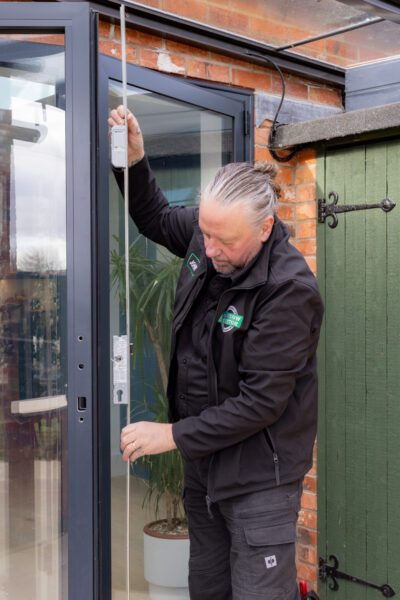
Your door needs to sit correctly within its frame for the hinges, seals and locking mechanism to work together.
Over time, wear, movement or poor initial installation can leave it out of alignment. This can affect front doors, back doors and French doors alike.
Signs to look out for include:
In many cases, a professional adjustment can restore the alignment without replacing the door.
A door that’s difficult to lock doesn’t always have a broken lock.
Many uPVC and composite doors have a multi-point locking mechanism. This operates locking points along the edge of the door, which engage with matching fittings on the frame, known as keeps.
If the door has dropped or moved out of alignment, these parts may no longer line up properly. The result? A handle that needs extra force or a key that becomes difficult to turn.
Continuing to force it can put unnecessary strain on the handle, gearbox and other locking components. Getting the alignment checked early could prevent a more expensive repair later.
What can you check yourself?
Start with a few simple observations:
Avoid slamming the door or forcing the handle or key. If it won’t close and lock securely, contact a repair specialist promptly.
Not necessarily! Depending on the cause, the solution may involve adjusting the hinges and keeps, servicing the hardware or replacing a worn component.
If the door itself is significantly distorted or damaged, an adjustment may not be enough. That’s why identifying the cause comes first.
At The Window Doctor, our engineers can assess the problem and explain the repair options available, helping you make an informed decision.
You shouldn’t have to wrestle with your door every time you leave the house. If it’s catching, difficult to lock or letting in draughts, getting it checked now could save you frustration as winter approaches.
Book a FREE survey through our website or call 01455 850282 to speak to the team.
And remember… Why Replace… We Repair…
👉 Contact us today to book a service or ask for advice. We’re always just a call away!


